
DDP vs. DDU (DAP): which model works best for CA-EU ecommerce orders?
By Rubi Rodriguez
Published on May 27, 2026
In short
DDP gives EU shoppers a clearer landed cost at checkout and reduces refused deliveries but requires strong data accuracy and import workflow discipline. DAP works for business buyers who manage their own import but creates friction in B2C if customers aren’t clearly warned about charges before delivery. The right model depends on buyer type, market, and operational readiness. Note that DDU = DAP in Incoterms since 2020.
In short
DDP gives EU shoppers a clearer landed cost at checkout and reduces refused deliveries but requires strong data accuracy and import workflow discipline. DAP works for business buyers who manage their own import but creates friction in B2C if customers aren’t clearly warned about charges before delivery. The right model depends on buyer type, market, and operational readiness. Note that DDU = DAP in Incoterms since 2020.
For Canada-to-Europe ecommerce orders, DDP vs. DDU Incoterms are not just a duty-payment question. They affect checkout clarity, delivery completion, support volume, import handling, cost-to-serve and the customer’s post-purchase experience.
The practical question is simple: should the merchant take more responsibility upfront, or should the customer handle import charges at delivery? DDP usually creates more landed-cost clarity. DAP, often still called DDU in ecommerce, can reduce seller-side responsibility but may create more friction when the order reaches Europe.
The right model depends on order type, customer expectations, margin, operational maturity and the team’s ability to execute the chosen model consistently.
What DDP and DDU really mean for ecommerce orders
DDP — Delivered Duty Paid means the seller takes on more responsibility for the order arriving with duties, taxes and import-related charges addressed through the seller’s process. For ecommerce, this usually supports a more predictable checkout and delivery experience.
DAP — Delivered at Place means the seller delivers the goods to the named destination, but the buyer is generally responsible for import clearance, duties and taxes. In practice, this often means the customer may face charges before delivery.
DDU — Delivered Duty Unpaid is still widely searched and used in ecommerce conversations, but it is legacy terminology. The current Incoterms framework uses DAP for the model most ecommerce teams mean when they say DDU.
Why “DDU” is still searched, but DAP is the current framework
DDU remains common because it describes a familiar ecommerce experience: the customer places an international order, then duties, taxes or handling charges appear later. But for a current DAP vs. DDP comparison, DAP is the more accurate term.
For this article, DDU is treated as ecommerce shorthand, while DAP is the current Incoterms-based model. That distinction matters because teams should not build cross-border policies around outdated terminology when the operational impact is tied to import responsibility.
The real difference appears in execution, not just in duty payment
The common explanation is “seller pays” for DDP and “buyer pays” for DAP. That is useful, but too narrow.
The real difference appears in execution.
- DDP affects checkout, landed-cost calculation, carrier selection, import VAT handling, support workflows and reconciliation.
- DAP affects customer communication, delivery acceptance, payment requests at destination and the risk of refused orders.
Lazr helps teams compare international shipping options, service levels and cost implications before committing to a model.
DDP reduces checkout ambiguity and post-purchase friction

DDP is usually stronger when the merchant wants more control over the customer promise. Duties, import VAT and related charges are handled upfront or made clearer before delivery. That supports a more complete duty-inclusive checkout and reduces the likelihood of surprise charges after the order ships.
For B2C ecommerce, that clarity can reduce support tickets, delivery friction and failed delivery risk. This is especially relevant for DDP shipping for Europe-bound orders, where import VAT and destination handling can make the final cost feel unclear if the customer only sees the product price and transport charge at checkout.
EU ecommerce imports are subject to VAT and customs declaration requirements, even where duty treatment depends on value and product category.
DAP lowers seller burden, but shifts friction to the customer
DAP shipping for ecommerce can make sense when the buyer is prepared to manage the import side. The merchant may avoid taking full responsibility for duties, taxes and clearance charges, but the customer may need to pay before delivery.
That trade-off is manageable for business buyers, experienced importers or customers who clearly understand the terms before purchasing. It becomes riskier in consumer ecommerce if fees appear unexpectedly. In that case, DAP may lower seller-side cost exposure but increase support tickets, delays or refused deliveries.
DDP and DAP in practice
Cost-to-serve
DDP can increase seller-side cost exposure because duties, import VAT, brokerage or administrative work need to be estimated, collected, paid or reconciled. But the visible shipping rate is not the full cost-to-serve.
DAP may look lighter at checkout, but costs can reappear through support workload, delivery exceptions, refused orders and customer dissatisfaction. For CA-EU ecommerce shipping, the main question shouldn’t be “Which model is cheaper?”
It’s “Which model creates the lowest total cost once import execution and customer friction are included?”
Customer experience
DDP gives shoppers more landed-cost clarity before delivery. That can matter when a European customer expects the total order cost to be understandable before the parcel arrives.
DAP can still work, but only when the customer knows what will happen. If the checkout does not clearly explain duties, taxes or import handling, the post-purchase experience becomes harder to control.
This is not about making international shipping feel effortless at any cost. It is about reducing avoidable ambiguity that creates support volume, failed delivery attempts or margin-eroding exceptions.
Cross-border execution
DDP requires stronger operational control. The merchant needs reliable product data, duties and tax logic, carrier compatibility, import clearance workflows and cost reconciliation. A poorly executed DDP setup can still create delays.
DAP requires clear customer communication and support readiness. The buyer may manage import clearance or charges, but the merchant still carries the customer relationship.
Why this choice matters for CA-EU ecommerce orders
Canada-to-Europe ecommerce adds more complexity than a domestic shipment. Teams need to account for export data, destination-country import handling, import VAT, commercial documentation and the expectations of EU shoppers. Canadian exporters also need to understand EU requirements before entering the market.
That is why DDP vs. DAP should be evaluated by corridor and order profile. A low-value test order, a high-value consumer order and a B2B shipment to an experienced importer may need different models. While this guide focuses on CA-EU, many of the same principles apply when shipping from Canada across borders to other markets.
When DDP is the better fit
DDP is often the better fit when the merchant wants a clearer B2C buying experience and has the operational ability to manage duties, taxes and import workflows.
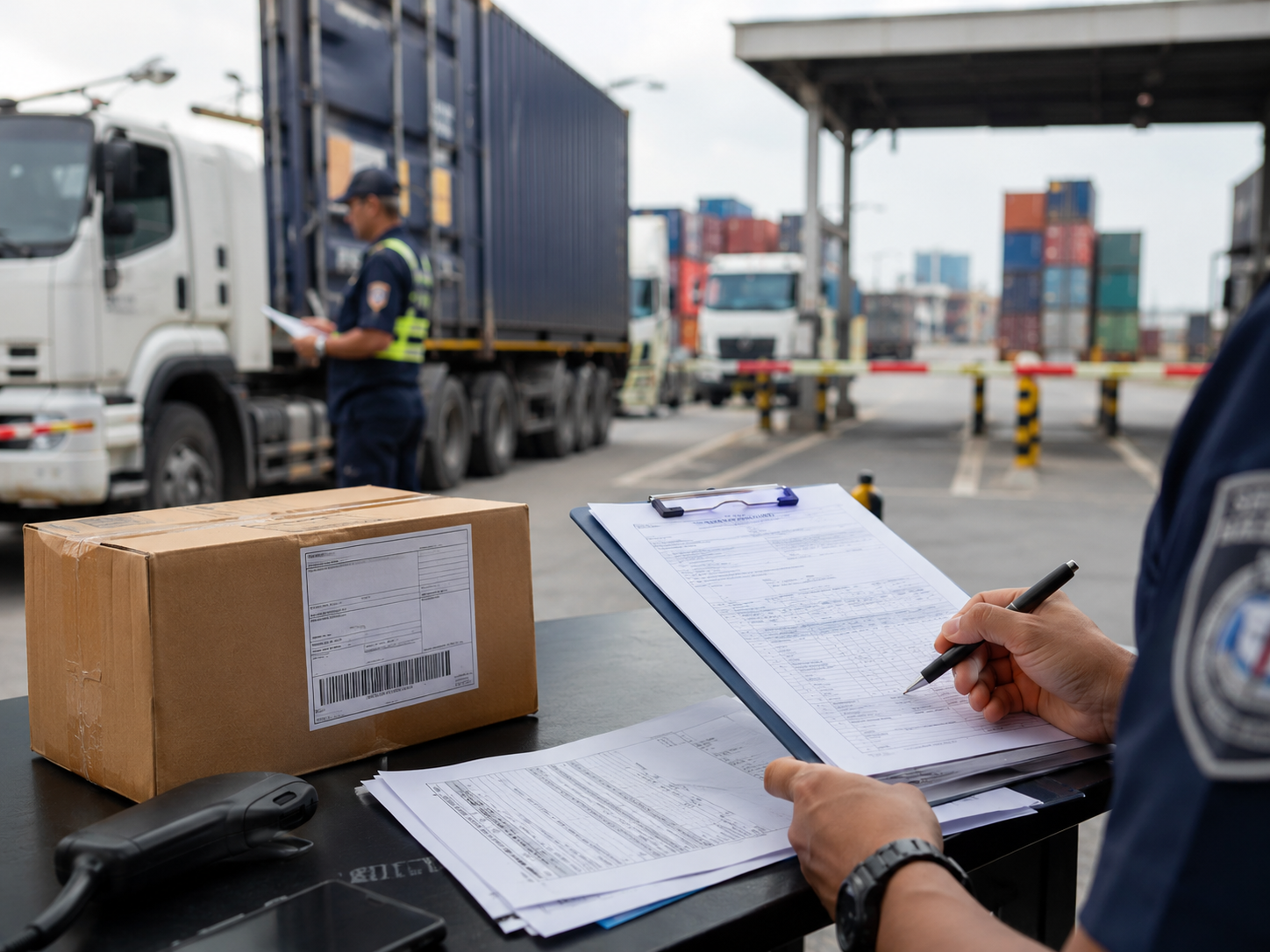
It works well for consumer orders where checkout transparency matters, higher-value shipments where refused delivery is expensive, and brands trying to protect conversion in a new European market. DDP can also support stronger post-purchase control because fewer charges appear unexpectedly at delivery.
The trade-off is internal readiness. DDP requires better cost estimation, data accuracy and workflow discipline.
When DAP still makes sense
DAP still makes sense when the buyer can manage import on their side. Business buyers may prefer to handle duties, taxes and clearance directly, especially if they already have established import processes.
It can also be useful when a merchant is entering a market before building full DDP capability. In that case, the customer communication must be direct. DAP is workable when buyers are clearly informed and can tolerate import friction. It is weaker when customers expect a duty-inclusive checkout and discover charges only at delivery.
Which model should you choose?
| If your priority is… | Choose… | Why |
|---|---|---|
| A smoother B2C customer experience | DDP | Duties and taxes are handled upfront, which reduces surprise fees and delivery friction |
| More checkout transparency for EU shoppers | DDP | Customers see a more complete landed cost before delivery |
| Protecting conversion and reducing refused deliveries | DDP | Fewer unexpected charges at arrival usually means fewer abandoned or refused orders |
| Selling to business buyers who can manage import | DAP | Professional buyers may prefer to handle duties, taxes, and clearance on their side |
| Keeping seller-side cost exposure lower | DAP | The merchant avoids taking full responsibility for import charges |
| Entering a market before building full DDP capability | DAP | Can be workable if customers are clearly informed and can tolerate import friction |
There is no universally better model. DDP is stronger when the merchant needs landed-cost clarity and can execute the import workflow properly. DAP can work when the buyer is import-capable or when the merchant is testing a market before taking on the full operational load.
Lazr helps teams compare international shipping options, service levels and execution constraints so the DDP vs. DAP decision reflects total cost-to-serve, not only who pays duties at delivery.
FAQ
What is the difference between DDP and DDU (DAP)?
DDP (Delivered Duty Paid) means the seller handles duties, taxes, and import clearance before delivery, giving the buyer a more complete landed cost at checkout. DDU (now called DAP, Delivered at Place) means the buyer is responsible for import charges, which may appear after the shipment arrives. DDP creates more checkout clarity; DAP shifts import responsibility to the buyer.
Is DDP or DAP better for Canada-to-Europe ecommerce?
For B2C ecommerce shipping from Canada to Europe, DDP is generally stronger because European consumers expect transparent total costs before delivery. DAP can work for business buyers or when entering a market before building full DDP capability — but only if customers are clearly informed about import charges before they complete their purchase.
What does import VAT mean for CA-EU ecommerce shipments?
Import VAT is a value-added tax applied to goods entering the EU from outside, including Canada. Under DDP, the seller typically collects and remits import VAT as part of the checkout process. Under DAP, the buyer pays import VAT (often through the carrier) before delivery. EU rules require VAT on most ecommerce imports regardless of value as of 2021.
What are the operational requirements to offer DDP shipping from Canada?
Offering DDP from Canada requires accurate product data (HS codes, values, origin), a reliable method to calculate and collect import duties and VAT at checkout, carriers that support DDP on Canada-to-Europe lanes, and reconciliation workflows for duty payments. A platform like Lazr helps teams compare international shipping options and align the chosen model with their operational capabilities.
-

Accessorial charges in freight
By Rubi Rodriguez • September 11, 2026Accessorial charges fall into three buckets: predictable service needs, data-driven corrections, and execution-related events. Not all of them can be eliminated, but you can prevent… -

Green shipping
By Rubi Rodriguez • September 4, 2026Green shipping depends on operational choices, not just packaging or marketing claims. Right-sized packaging, appropriate service levels, and shipment consolidation can reduce both costs and… -
What is a commercial invoice in shipping?
By Rubi Rodriguez • August 28, 2026A commercial invoice must clearly and accurately state the goods, value, parties involved, country of origin, and HS codes to avoid customs delays. Because requirements…