Freight consolidation in shipping
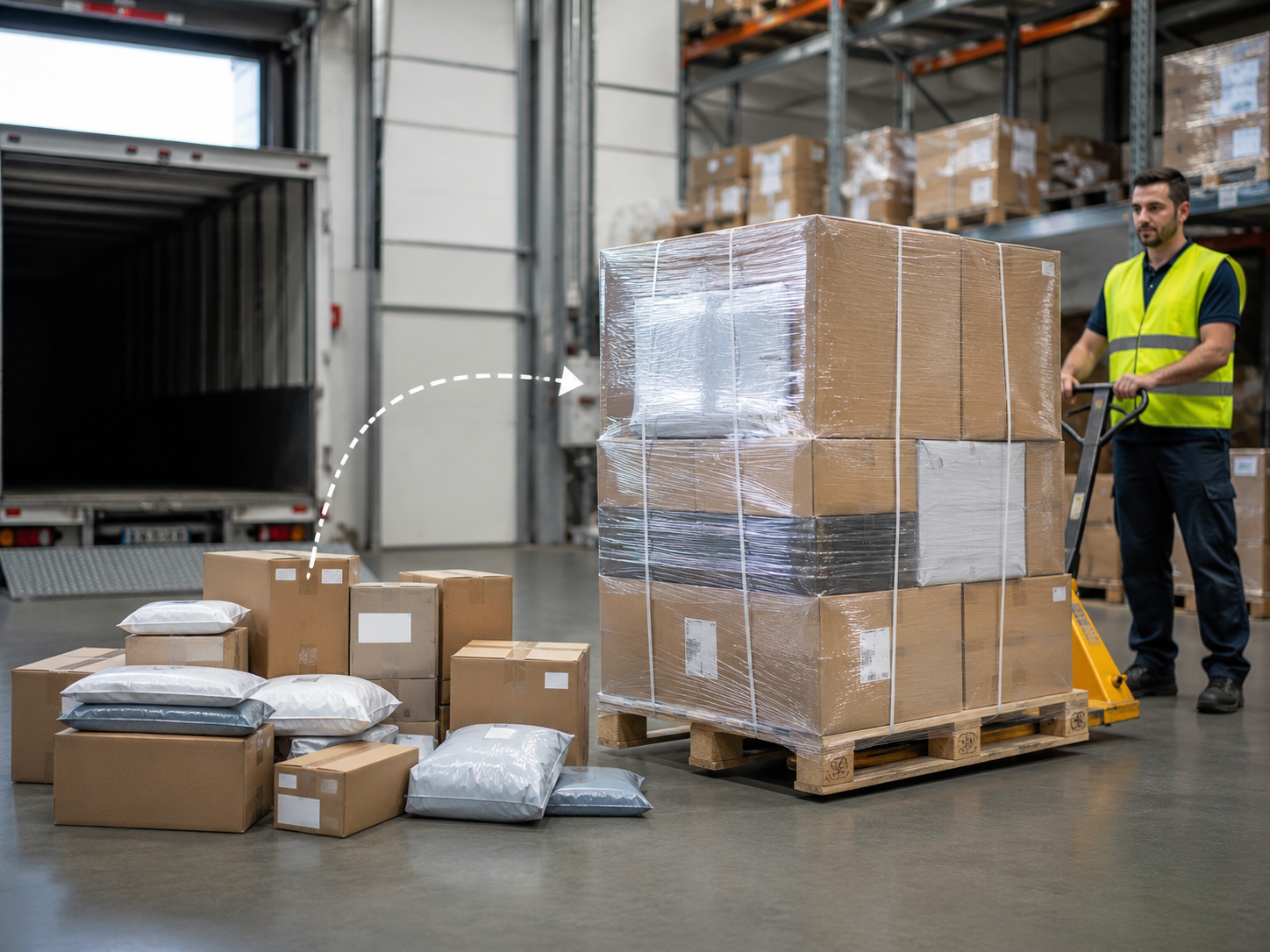
Freight consolidation is not just a way to get a better rate. For cross-border shippers, it is an operational decision about when multiple parcel shipments should become grouped, palletized freight.
The trade-off is simple: consolidation makes sense when the cost of shipment fragmentation becomes higher than the cost of coordination. Separate parcels can be easier to release quickly, but they also create more labels, scans, shipment files, customs data points and exceptions to monitor. Parcel consolidation can reduce that complexity when shipments share a corridor, timing window or destination logic.
For logistics teams, the question is not “parcel or freight?” in general. It is whether a specific flow has enough volume, consistency and operational alignment to justify the parcel-to-pallet shift.
What freight consolidation means in shipping
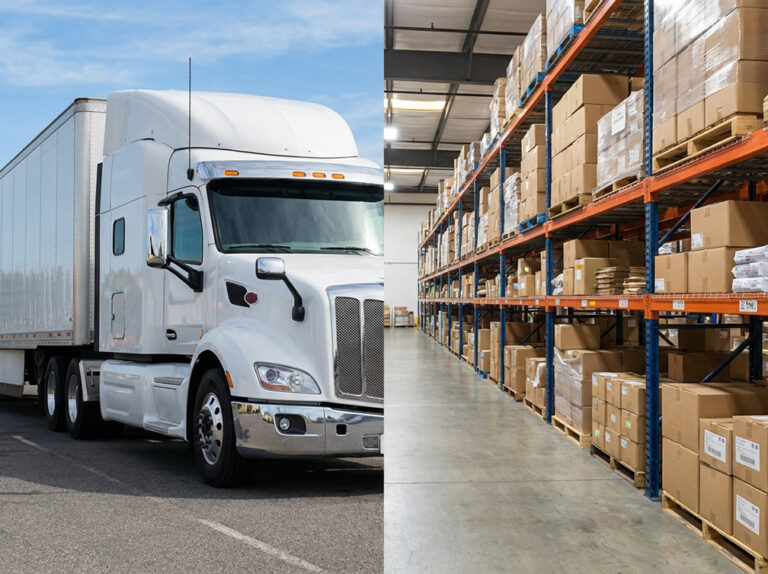
Freight consolidation means grouping multiple shipments into a larger transportation unit. In cross-border shipping, that may involve combining several parcel shipments into palletized freight before the border crossing, then deconsolidating them closer to the destination.
The goal is not only to lower the linehaul rate. Freight consolidation can also reduce operational touchpoints, repeated shipment files, duplicated documentation and border-related workload. That is why it matters for ecommerce, B2B and wholesale shippers moving repeated volume through the same lanes.
Consolidation decisions rarely happen in isolation. Teams need to compare parcel, LTL and palletized freight options against the actual corridor, shipment profile and service requirement before deciding which mode fits.
When consolidation becomes operationally smarter than multiple parcel shipments
Consolidation becomes smarter when shipment fragmentation creates more cost, complexity and execution risk than the planning required to group shipments. That point is not fixed. It depends on the lane, the freight profile, the destination pattern and the level of customs complexity involved.
The threshold is not only transport price
The break-even point is not just the parcel rate versus the freight rate. A set of individual parcels may look cheaper on the first quote, but each parcel creates its own label, tracking event, document trail, exception risk and follow-up task.
Those repeated operational touchpoints matter. Ten parcels going to the same corridor can mean ten shipments to monitor, ten potential address or data errors and ten separate delivery outcomes. A consolidated freight move may require more coordination upfront, but it can simplify the cross-border leg and reduce the number of moving parts.
Fewer shipments means fewer repeated border events
Cross-border shipping adds another layer to the consolidation decision. Understanding cross-border LTL compliance requirements is essential before consolidating shipments at the border.
Commercial goods entering Canada require accurate invoice data and customs documentation, and non-document shipments typically depend on a commercial invoice as a primary document for admissibility and clearance review.
When several parcels move separately, the shipper may also multiply the number of shipment files, scans, customs data points, possible exceptions and brokerage fees across multiple shipments. That can create repeated border overhead, especially when product descriptions, values, origin details or consignee information are inconsistent.
According to a Purolator whitepaper on US-Canada logistics consolidation, a shipper moving 26 pallets separately could face up to $2,600 in CBSA filing fees. Consolidated into a single entry, that same shipment clears at $100 — a potential saving of $2,500 per shipment.
Cross-border freight consolidation can reduce that repetition when shipments share compatible requirements. It does not remove the need for accurate documentation. It concentrates the need for accuracy into a more coordinated flow.
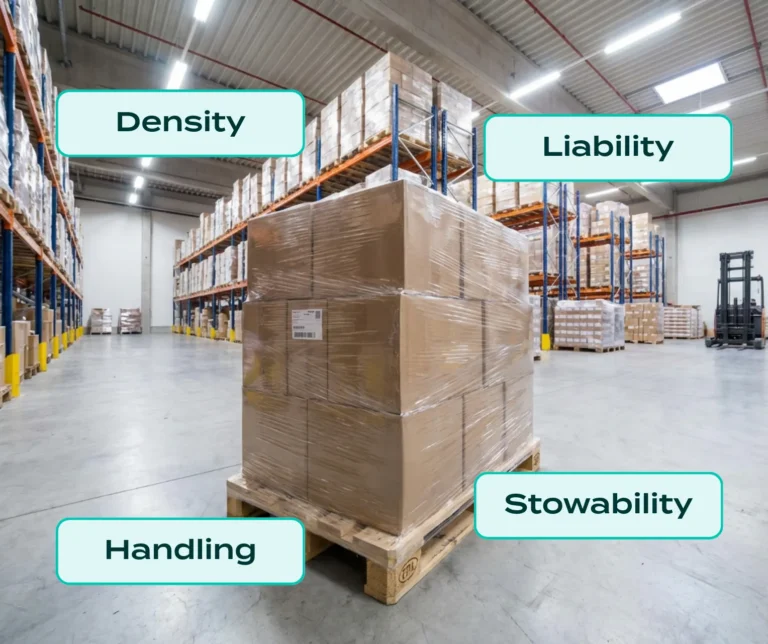
Palletization changes handling and control
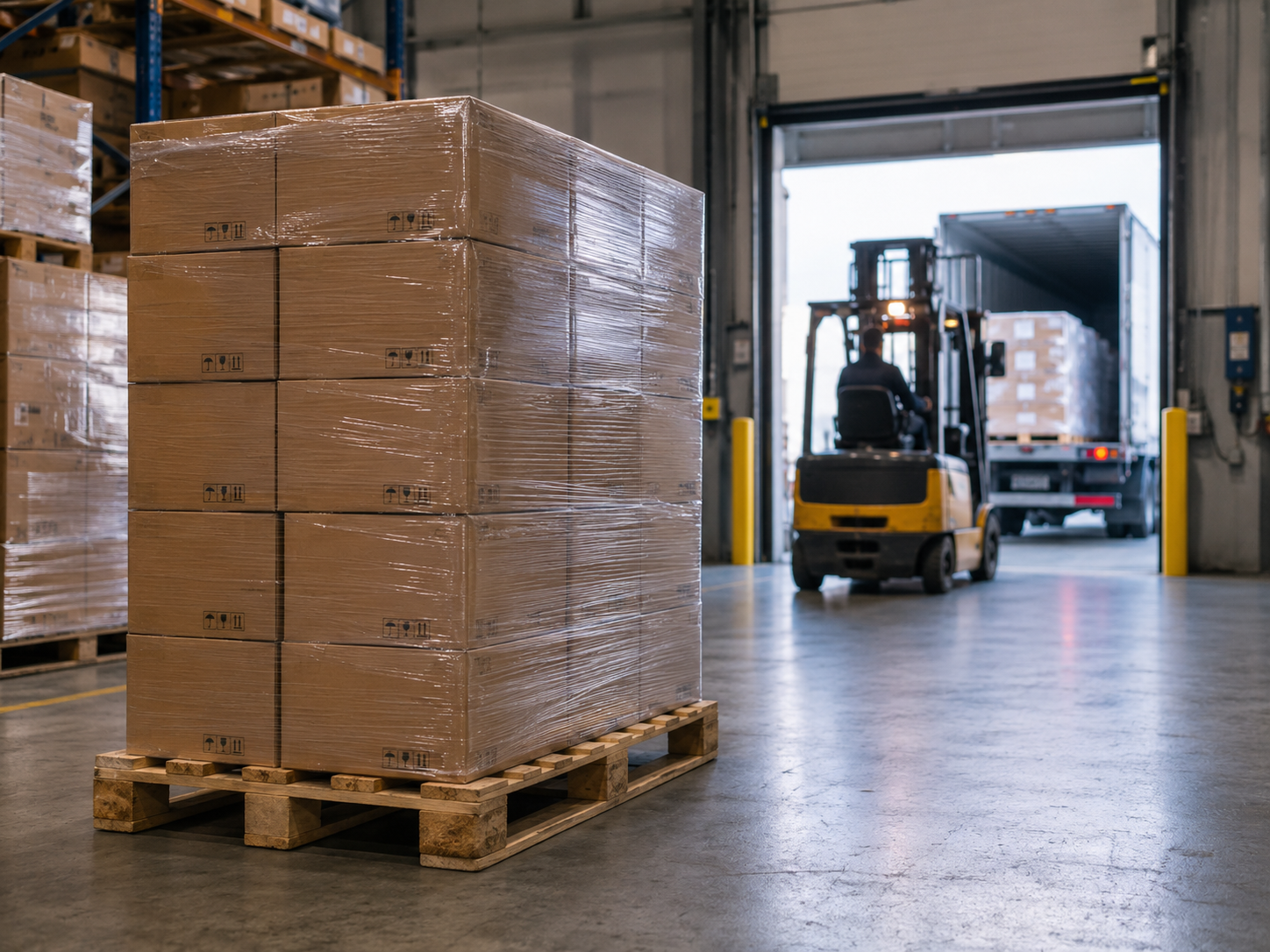
The shift from parcel to palletized freight changes how the shipment is handled, tracked and controlled. This is where palletized freight vs. parcel shipping becomes an operational decision, not just a pricing comparison.
- Parcels move independently through a network.
- Palletized freight moves as a grouped unit through more freight-oriented handling processes.
That can improve control during the cross-border linehaul, especially when the same customer, region or distribution point receives recurring volume. It can also reduce shipment fragmentation because fewer pieces are moving separately across the network.
The trade-off is planning. Palletization requires cut-off discipline, pallet building, labelling, documentation alignment and a clear deconsolidation plan at destination.
Where the real savings come from
Transport savings are usually the core reason to consider LTL consolidation or cargo consolidation. Grouped shipments can make better use of linehaul capacity, especially when the same corridor receives repeated volume.
But the savings are not only in the rate. In cross-border shipping, the real value often comes from reducing repeated work: fewer shipment files, fewer tracking events, fewer exception points and less duplicated document handling.
Freight consolidation can reduce overall freight spending by 10% to 50% depending on shipment profile and corridor, according to the same Purolator report.
| Criteria | Separate parcel shipments | Consolidated freight |
|---|---|---|
| Transport cost | Often acceptable at low volume, but can rise quickly when many shipments go to the same corridor | Often more efficient when volume is repeated or grouped into palletized freight |
| Customs and brokerage fees | Can be repeated across multiple shipments, increasing total border-related costs | Can reduce repeated customs and brokerage charges when shipments are grouped |
| Number of trackable events | High: each parcel creates its own scans, exceptions, and tracking events | Lower: fewer shipment-level events to monitor across the cross-border leg |
| Documentation complexity | Repeated paperwork across many shipments increases administrative workload | Fewer shipment files can simplify documentation and border processing |
| Error risk | Higher risk of repeated label, data, or customs-entry mistakes across multiple shipments | Lower repetition can reduce duplicated operational errors |
| Handling profile | Each parcel moves independently through the network | Palletized freight can improve control and reduce fragmentation during transport |
| Delivery speed | Often better for urgent, immediate, or highly time-sensitive orders | Better when shipments can wait to be grouped before linehaul |
| Operational coordination | Simpler to dispatch immediately, but harder to manage at scale when shipment count grows | Requires more planning upfront, but can simplify execution downstream |
| Best fit use case | Low shipment volume, urgent orders, dispersed destinations, inconsistent flow | Repeated flows, similar destinations, cross-border lanes with recurring shipment volume |
| Main trade-off | Faster to release, but can create higher total fragmentation and repeated border overhead | Better system-wide efficiency, but only if timing and shipment profiles support consolidation |
Best fit use case: Low shipment volume, urgent orders, dispersed destinations, inconsistent flow
Main trade-off: Faster to release, but can create higher total fragmentation and repeated border overhead
Transport cost: Often acceptable at low volume, but can rise quickly when many shipments go to the same corridor
Customs and brokerage fees: Can be repeated across multiple shipments, increasing total border-related costs
Number of trackable events: High — each parcel creates its own scans, exceptions, and tracking events
Documentation complexity: Repeated paperwork across many shipments increases administrative workload
Error risk: Higher risk of repeated label, data, or customs-entry mistakes
Handling profile: Each parcel moves independently through the network
Delivery speed: Often better for urgent, immediate, or highly time-sensitive orders
Operational coordination: Simpler to dispatch immediately, but harder to manage at scale
Best fit use case: Repeated flows, similar destinations, cross-border lanes with recurring shipment volume
Main trade-off: Better system-wide efficiency, but only if timing and shipment profiles support consolidation
Transport cost: Often more efficient when volume is repeated or grouped into palletized freight
Customs and brokerage fees: Can reduce repeated customs and brokerage charges when shipments are grouped
Number of trackable events: Lower — fewer shipment-level events to monitor across the cross-border leg
Documentation complexity: Fewer shipment files can simplify documentation and border processing
Error risk: Lower repetition can reduce duplicated operational errors
Handling profile: Palletized freight can improve control and reduce fragmentation during transport
Delivery speed: Better when shipments can wait to be grouped before linehaul
Operational coordination: Requires more planning upfront, but can simplify execution downstream
Documentation, brokerage, and customs processing also matter
Multiple small shipments can multiply paperwork, broker interactions and customs processing work. This is especially relevant when each shipment needs accurate commodity descriptions, values, origin details and consignee data.
Consolidation can reduce repeated border-related administration when the shipments can be grouped logically. It can also make brokerage workflows easier to manage because the shipment profile is more coordinated. However, it raises the stakes for data quality. One inaccurate master file can hold up the grouped freight.
For that reason, cargo consolidation works best when product data, customs documentation and shipping instructions are consistent before the freight is released.
Consolidation can reduce repeated operational errors
Fragmented shipments create repeated chances for mistakes: label errors, address mismatches, missing customs data, incorrect values, tracking gaps or duplicated follow-ups.
Consolidated flows can reduce that repetition, but only if the shipment data is clean. The operational advantage comes from fewer files to manage, not from ignoring the details.
When not to consolidate
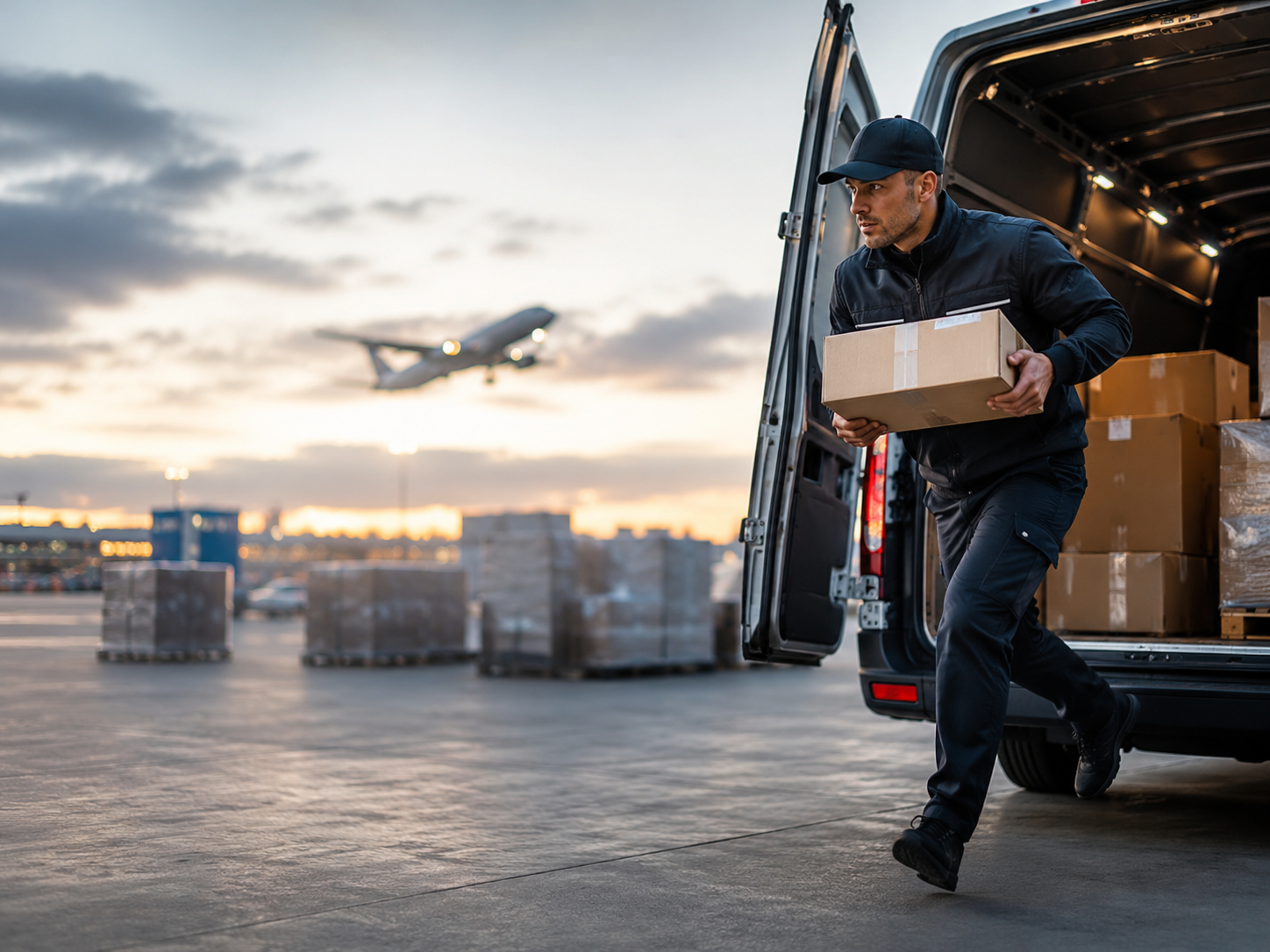
Freight consolidation is not always the better move. It works when timing, volume and destination patterns support grouping. It can create friction when those conditions are missing.
When urgency is higher than consolidation value
Consolidation often requires waiting until enough volume is ready to move. If orders need to leave immediately, that delay can cost more than the freight savings.
Urgent ecommerce orders, retailer compliance windows, production deadlines or customer-specific delivery commitments may justify separate parcel shipments. In those cases, speed and service reliability can be more valuable than consolidation efficiency.
When destinations, profiles, or customs requirements diverge too much
Consolidation works best when shipments share enough operational logic. If destinations are too dispersed, product profiles vary heavily or customs requirements differ too much, grouping may create more complexity than it removes.
This is especially true when deconsolidation at destination becomes difficult. If each shipment requires a different release process, delivery appointment, consignee instruction or documentation path, separate parcel or LTL flows may be cleaner.
When the extra coordination outweighs the benefit
Consolidation requires forecast accuracy, schedule coordination and tracking discipline. Teams need to know what is ready, when it can move, how it should be palletized and who owns the documentation.
If that coordination is weak, consolidation can become a bottleneck. The shipment may wait too long, miss a cut-off or create downstream confusion.
Lazr can help teams compare the coordination cost against available parcel, LTL and freight options, making it easier to decide when consolidated shipping is worth the added planning.
The smarter move depends on the shipment profile
Freight consolidation is not automatically better than parcel shipping. It is better when repeated parcel flows create higher total cost, repeated border overhead and avoidable operational touchpoints.
It is weaker when urgency, destination spread or customs complexity outweigh the benefit. The right decision depends on the corridor, shipment profile, timing, product mix and service requirements.
Lazr helps teams evaluate parcel, LTL and consolidated freight options across carriers so cross-border decisions are based on total cost, execution complexity and lane reality, not a default shipping rule.
FAQ
What is freight consolidation in shipping?
Freight consolidation means grouping multiple smaller shipments into a single, larger transportation unit, typically palletized freight. In cross-border shipping, this reduces the number of shipment files, customs entries, brokerage interactions, and tracking events, which can lower total cost and operational complexity for repeated corridors.
When does it make sense to consolidate parcels into freight?
Consolidation makes sense in various scenarios: when multiple shipments share the same corridor, timing window, and destination logic, or when the cost of managing separate parcels (transport, customs, brokerage, tracking exceptions) exceeds the planning effort required to group them. It works best for recurring, high-volume cross-border lanes.
What are the customs implications of freight consolidation for Canadian shippers?
Consolidating shipments into a single freight move can reduce repeated customs entries, brokerage fees, and documentation work at the border. However, it requires accurate product data across all grouped shipments. One inaccurate master file can delay the entire consolidated load. Ensuring data quality before consolidation is essential.
What are the risks of freight consolidation?
The main risks include waiting delays (holding orders until enough volume is ready), destination or profile divergence (shipments that can’t be grouped cleanly), and coordination failures (wrong cut-off times, palletization errors, documentation gaps). Consolidation can also become a bottleneck if shipment data is inconsistent or if deconsolidation at destination is not properly planned.