
FTL vs. LTL vs. PTL for cost, speed, and damage risk
By Rubi Rodriguez
Published on May 22, 2026
In short
Choosing between FTL, LTL, and PTL isn’t just a price decision. It depends on freight density, handling sensitivity, corridor reliability, and total landed cost. LTL works for compact palletized freight on reliable lanes; PTL reduces touchpoints for mid-sized or fragile loads; FTL is justified by volume, urgency, or high handling risk.
In short
Choosing between FTL, LTL, and PTL isn’t just a price decision. It depends on freight density, handling sensitivity, corridor reliability, and total landed cost. LTL works for compact palletized freight on reliable lanes; PTL reduces touchpoints for mid-sized or fragile loads; FTL is justified by volume, urgency, or high handling risk.
Choosing between FTL vs. LTL vs. PTL is not just a pricing exercise. It is a freight mode selection decision that affects transit time, handling risk, carrier availability, freight class exposure and total landed cost.
The best mode depends on the freight corridor, the shipment profile and the service level required. A shipment that looks inexpensive as LTL can become costly if it creates delays, damage claims or dock exceptions. A full truckload can look excessive until the freight is urgent, high-value or difficult to handle.
For logistics teams, the goal is not to pick the cheapest mode by default. It is to choose the mode that gives the right balance of cost, speed and risk for that specific lane.
What FTL, LTL, and PTL actually mean
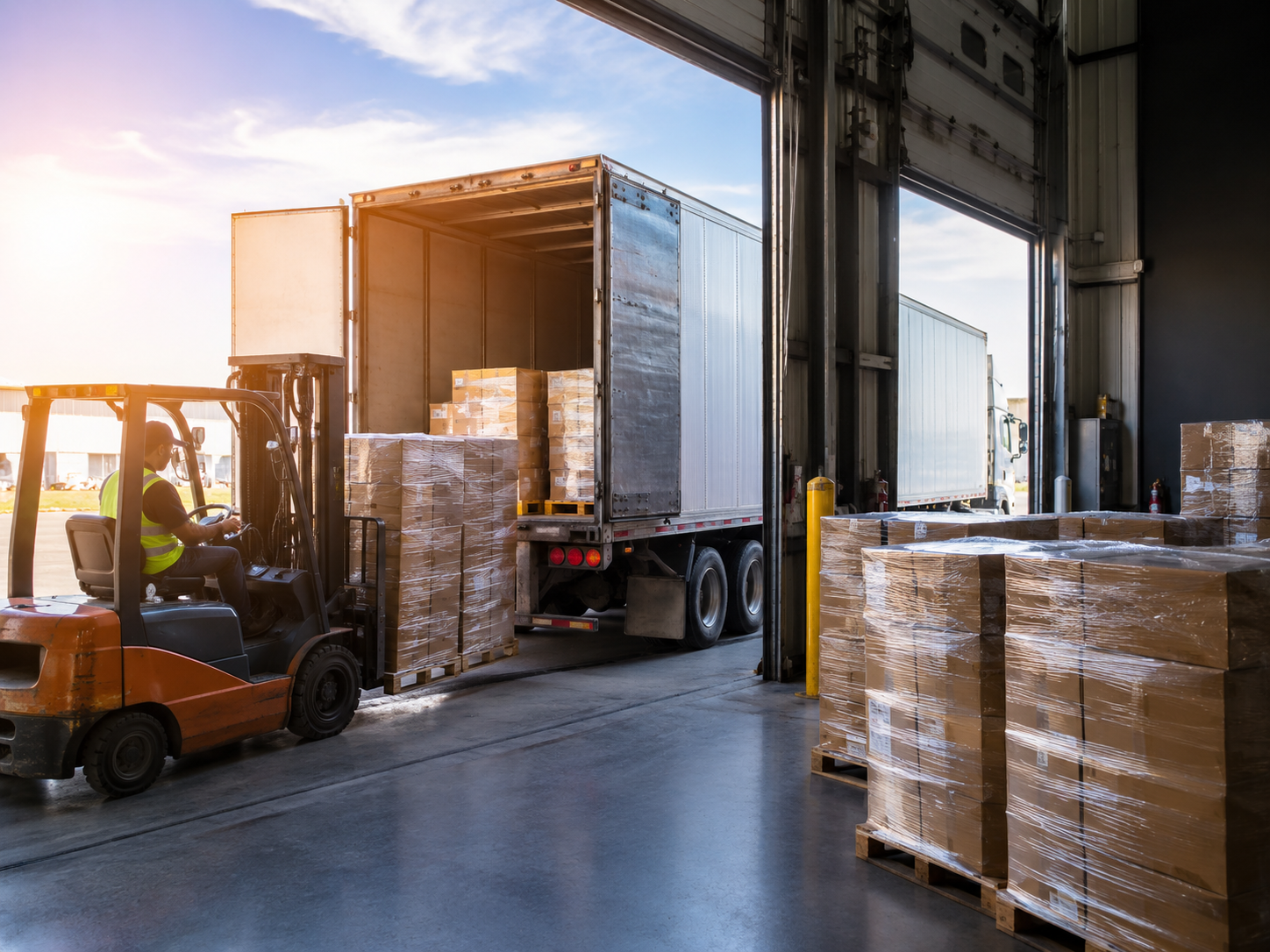
- FTL — Full Truckload: one shipment uses most or all of the truck. It is best when the freight justifies dedicated capacity, direct transit or fewer touchpoints.
- LTL — Less Than Truckload: one shipment shares trailer space with freight from other shippers. It is best for smaller palletized shipments where the economics work better than booking a full truck.
- PTL — Partial Truckload: a mid-point between LTL and FTL. It is useful when freight is too large, sensitive or operationally awkward for standard LTL, but does not require the full trailer.
The difference between FTL and LTL is not only shipment size. It also comes down to density, handling sensitivity, delivery window, lane economics and how much risk the freight can tolerate.
Where the real trade-off happens
Pallet count and cube
Pallet count is usually the first filter, but it should not be the only one. Six standard pallets of compact, stackable goods do not behave like six oversized, non-stackable pallets that take up more space.
- A small LTL shipment can make sense when the freight occupies limited space and the delivery window is flexible.
- PTL becomes more relevant when the shipment takes up too much room for efficient LTL pricing or when too many terminal touches would create avoidable risk.
- FTL becomes logical when the freight fills or nearly fills the trailer, requires direct transit or needs tighter control.
Having access to a dashboard like Lazr’s can be useful in this grey zone because teams can compare LTL options across carriers instead of assuming one mode is always cheaper or safer.
Density and LTL economics
LTL freight vs. FTL also depends on density. Two shipments can have the same pallet count but very different freight economics if one is dense and compact, while the other is light, bulky or difficult to stack.
Freight class matters because LTL pricing is shaped by how easy the freight is to move, store and protect. The NMFC freight classification system uses factors such as density, handling, stowability and liability to support freight classification, with bulkier or more fragile items typically exposed to higher classes and higher costs.
This is where LTL freight class becomes more than a documentation detail. A misclassified or poorly measured shipment can create billing surprises, delays or disputes. In some cases, PTL or FTL may be more predictable than pushing freight through LTL when the class exposure is too high.
Urgency, corridor, and service reliability
Urgency and cost are usually the first decision drivers, but the freight corridor determines how practical each option really is. A strong LTL lane with predictable service may be efficient for a smaller shipment. A weaker corridor, tight appointment window or time-sensitive delivery may justify PTL or FTL.
Direct transit matters when delays create downstream costs: missed production windows, stockouts, retailer chargebacks or labour rescheduling at the receiving dock. In those cases, the lowest rate may not be the lowest-cost choice.
Handling risk and damage exposure
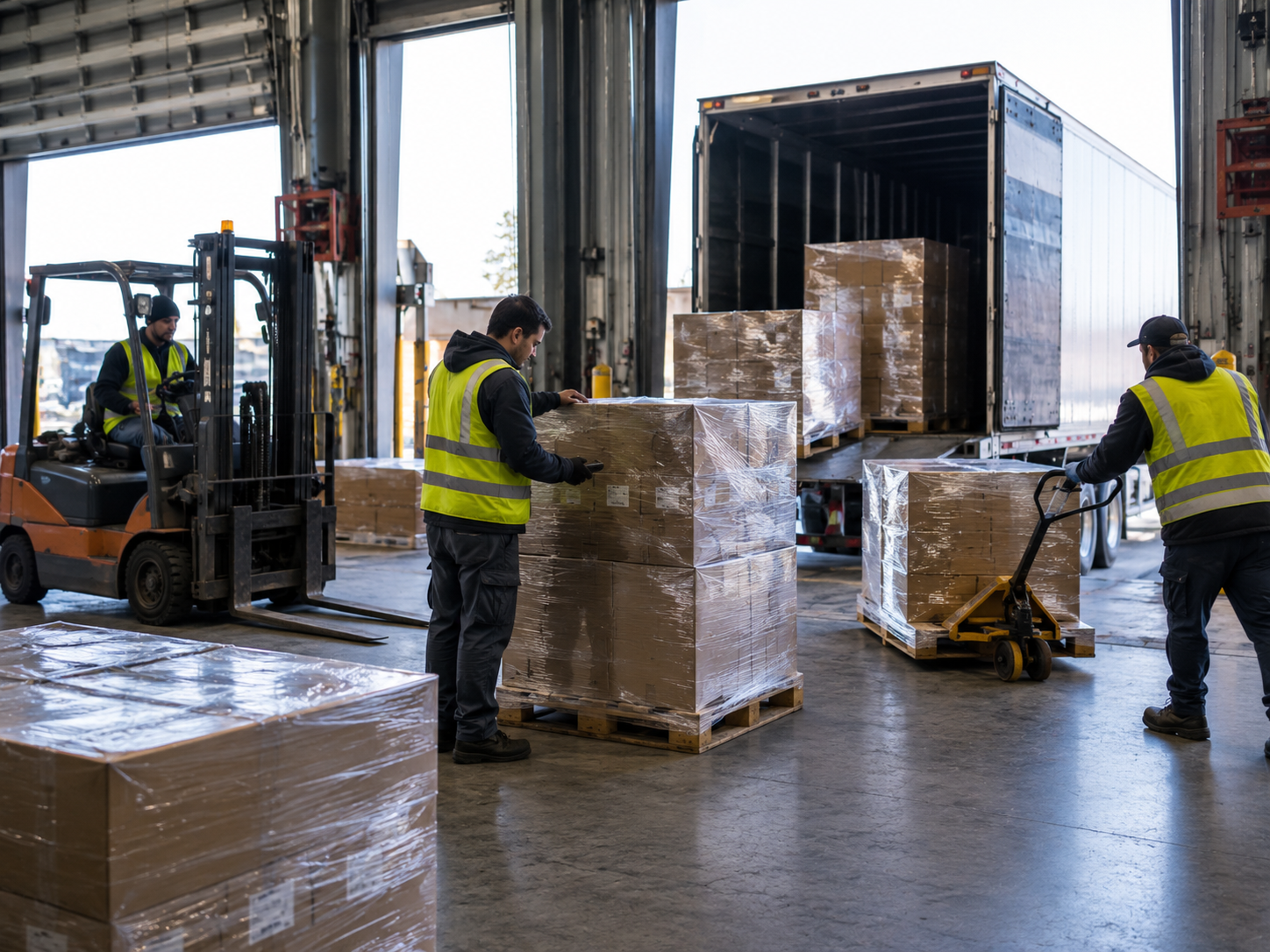
Freight handling risk increases when shipments move through more touchpoints.
LTL networks are built for consolidation, which can mean terminal transfers, cross-docking and repeated handling. That model works well for many palletized shipments, but it may not be ideal for fragile, unstable, high-value or hard-to-replace goods.
PTL and FTL can reduce handling exposure because the shipment may move more directly and with fewer transfers. That does not eliminate the need for proper palletization, wrapping and documentation, but it can reduce the number of times freight is touched.
For handling-sensitive freight, mode selection should include damage exposure, not just freight rate.
When to use FTL, LTL, or PTL
| Factor | LTL | PTL | FTL |
|---|---|---|---|
| Best for | Smaller palletized freight | Mid-sized or sensitive freight | Large, urgent or high-value loads |
| Typical shipment profile | Low-to-moderate pallet count | Too large or risky for LTL, not enough for FTL | Full or near-full truck |
| Cost profile | Efficient when density, class and lane align | Often higher than LTL, lower than FTL | Higher commitment, predictable capacity |
| Transit profile | Less direct | More direct than LTL | Most direct |
| Handling / damage risk | More touchpoints | Fewer touchpoints | Lowest touchpoints |
| Main trade-off | Lower cost, more handling exposure | Better control, less network flexibility | Higher cost if space is underused |
| 🍁 Typical Canadian use case | Interprovincial restocking — ex.: ON→QC DC | Sensitive freight, avoid terminal handling — ex.: AB→BC | Cross-border, tight deadline — ex.: CA→US Windsor–Detroit |
Best for: Smaller palletized freight
Main trade-off: Lower cost, more handling exposure
🍁 Typical Canadian use case: Interprovincial restocking — ex.: ON→QC DC
Typical shipment profile: Low-to-moderate pallet count
Cost profile: Efficient when density, class and lane align
Transit profile: Less direct
Handling / damage risk: More touchpoints
Best for: Mid-sized or sensitive freight
Main trade-off: Better control, less network flexibility
🍁 Typical Canadian use case: Sensitive freight, avoid terminal handling — ex.: AB→BC
Typical shipment profile: Too large or risky for LTL, not enough for FTL
Cost profile: Often higher than LTL, lower than FTL
Transit profile: More direct than LTL
Handling / damage risk: Fewer touchpoints
Best for: Large, urgent or high-value loads
Main trade-off: Higher cost if space is underused
🍁 Typical Canadian use case: Cross-border, tight deadline — ex.: CA→US Windsor–Detroit
Typical shipment profile: Full or near-full truck
Cost profile: Higher commitment, predictable capacity
Transit profile: Most direct
Handling / damage risk: Lowest touchpoints
This is why when to use LTL, PTL and FTL should be answered by lane and shipment profile, not by a fixed pallet-count rule. A platform like Lazr supports that decision by helping teams compare carrier options, negotiated tariffs, transit estimates and LTL services in one workflow.
Common mistakes when choosing a freight mode
Choosing by price alone
A low spot rate can hide a higher total cost. If the chosen mode increases damage risk, delays, accessorials, reclassification or exception management, the shipment may cost more than expected.
Price still matters, but it should be evaluated alongside service reliability, freight class exposure, delivery requirements and handling sensitivity. Rate comparison and visibility tools help ops and finance teams look beyond the first price shown and compare options against service level and risk.
Ignoring handling sensitivity
Some freight is simply less tolerant of LTL handling. Fragile products, unstable pallets, high-value goods, oversized freight and items with strict delivery appointments may need fewer touchpoints.
LTL can still be the right choice when freight is well packed, dense, properly classified and moving on a reliable lane. But if the shipment is difficult to replace or expensive to repair, PTL or FTL may protect more value than it costs.
Treating PTL like “just bigger LTL”
PTL is not only a larger version of LTL. It is often chosen to avoid specific LTL constraints: too many touchpoints, freight class exposure, terminal handling or less direct transit.
That makes PTL useful when the shipment is not large enough for a full truck but still needs more control than standard LTL. For many B2B shippers, PTL is the practical middle ground between cost efficiency and damage-risk reduction.
The best freight mode is lane-specific
There is no universal winner between FTL vs. LTL vs. PTL.
- LTL works when the freight profile, density, class and corridor align.
- PTL works when the shipment needs fewer touchpoints without paying for unused full-truck capacity.
- FTL works when volume, urgency, value or handling sensitivity justify dedicated movement.
The right decision depends on the lane, the shipment, the receiving requirements and the risk tolerance. Lazr helps logistics teams compare freight options across carriers so mode selection can reflect the actual cost, service level and handling risk of each shipment, not just a default shipping rule. Not sure whether to go LTL or parcel for a specific shipment? See our guide on when to choose LTL vs. parcel.
FAQ
What is the difference between FTL, LTL, and PTL?
FTL (Full Truckload) uses a dedicated truck for a single shipment, ideal for large or urgent loads. LTL (Less Than Truckload) shares trailer space with other shippers, efficient for smaller palletized freight. PTL (Partial Truckload) falls between the two — used when freight is too large or sensitive for standard LTL but doesn’t fill a full truck.
When should I use PTL instead of LTL?
PTL makes sense when your shipment is too large for standard LTL pricing, when your freight is fragile or sensitive to multiple handling touchpoints, or when you need more direct transit than an LTL terminal network can provide — without paying for an empty half-truck.
How does freight class affect LTL pricing in Canada?
LTL pricing in Canada is influenced by freight class, which is determined by density, handling difficulty, stowability, and liability. Higher freight classes (bulkier or more fragile goods) typically result in higher per-unit costs. Misclassifying freight can lead to billing disputes, delays, or unexpected reclassification charges.
What factors should I consider when choosing between LTL and FTL?
Key factors include pallet count and cube, freight density, urgency, corridor reliability, handling sensitivity, freight class exposure, and total landed cost. A low LTL rate may not be the best choice if it increases damage risk, transit time, or accessorial charges. Comparing options across carriers using a platform like Lazr helps teams make lane-specific decisions.
-
 Rubi Rodriguez · October 19, 2026
Courier vs post: which is right for you?
Courier vs post (or courier vs mail, as many people search it) isn’t a contest with one permanent winner. Canada Post offers tracked and expedited… -
 Rubi Rodriguez · September 11, 2026
Accessorial charges in freight
Accessorial charges fall into three buckets: predictable service needs, data-driven corrections, and execution-related events. Not all of them can be eliminated, but you can prevent… -
 Rubi Rodriguez · September 4, 2026
Green shipping
Green shipping depends on operational choices, not just packaging or marketing claims. Right-sized packaging, appropriate service levels, and shipment consolidation can reduce both costs and…