Ecommerce returns management
How to reduce reverse-logistics costs without hurting customer experience
Ecommerce returns management is no longer just a customer-service workflow. For Canadian retailers, it is a reverse-logistics cost centre that affects shipping spend, warehouse capacity, inventory recovery and margins. In 2024, retail spending in Canada reached $865.2 billion, including $73.7 billion in ecommerce revenue, according to Statistics Canada.
As ecommerce grows, return flows become harder to absorb. The goal is not to make returns difficult. It is to make them visible, measurable and financially controlled after the customer clicks “return”, while keeping the experience clear enough that customers continue to trust the brand.
What ecommerce returns management really includes
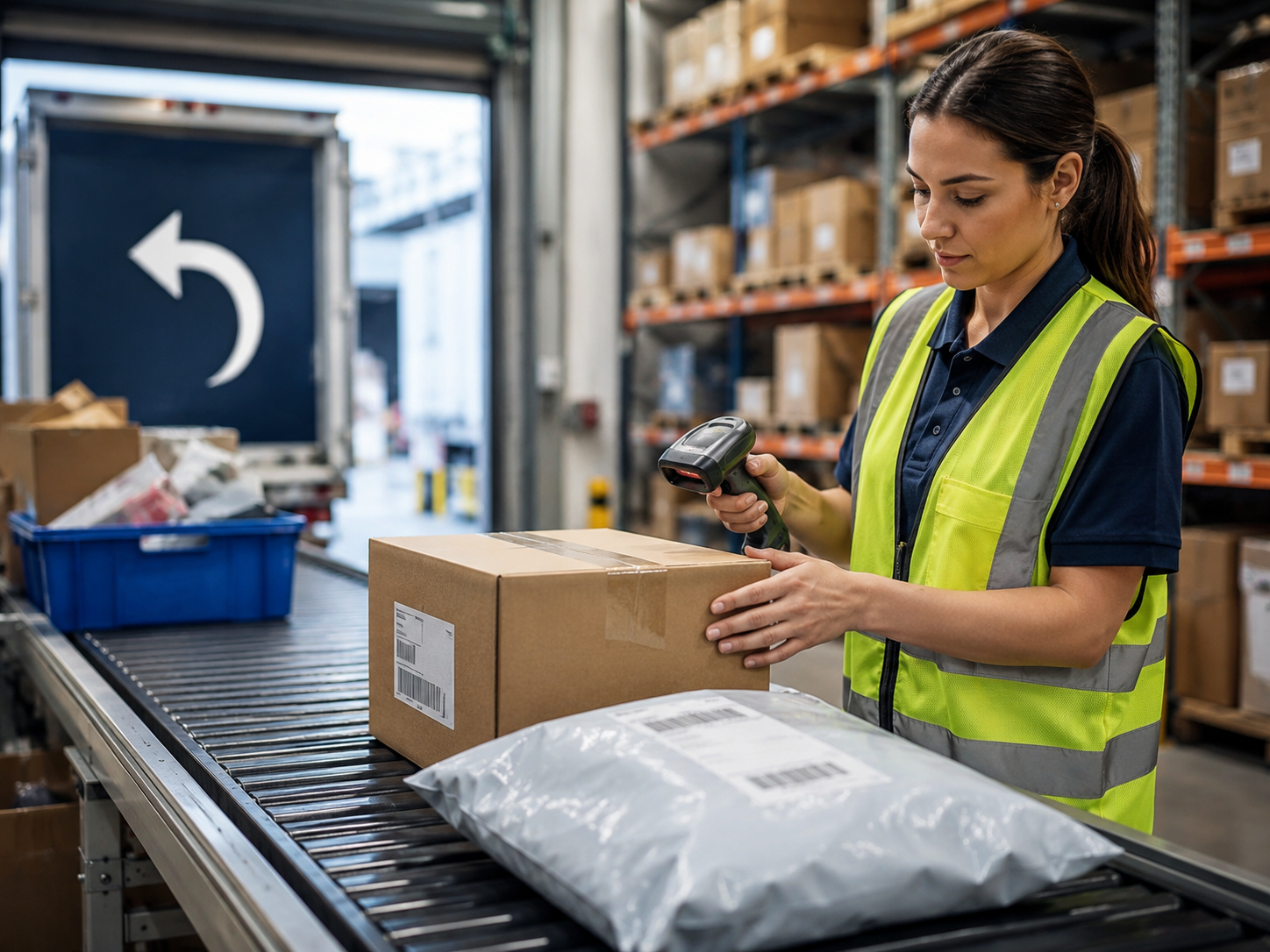
Returns management in ecommerce does not stop at a portal, a prepaid label or a refund notification. A complete process includes return authorization, label generation, carrier selection, customer communication, tracking, warehouse receiving, inspection, restocking, repackaging, disposition and recovery of value.
For high-volume merchants, those steps need to work as one connected reverse flow. The point is not simply to authorize a return, but to manage goods, tracking data and warehouse decisions together as inventory moves back through the network.
For Shopify Plus merchants and other high-volume ecommerce businesses, Shopify returns management should, therefore, be assessed beyond the front-end return app. The real question is whether the business can control transportation choices, return visibility, processing speed and total cost once the return is approved.
Beyond the CX workflow: Returns are a logistics cost problem
A smooth customer experience matters, but the largest cost impact often sits behind the scenes. Return transport, warehouse labour, inspection, repackaging, markdown risk and delayed resale all compound quickly.
That is especially true in Canada, where long distances, regional carrier coverage and delivery timelines can change the economics of a return. A return moving across provinces can cost more, take longer and reduce the chance of recovering full value, especially when the item is seasonal, high-demand or time-sensitive. As ecommerce shipping operations evolve, return flows become harder to absorb.
When a return is approved, finance, operations, warehouse and customer-service teams all depend on the same flow. If that flow is fragmented, the business may trigger the refund workflow quickly but recover value slowly.
What happens after the customer clicks “return”
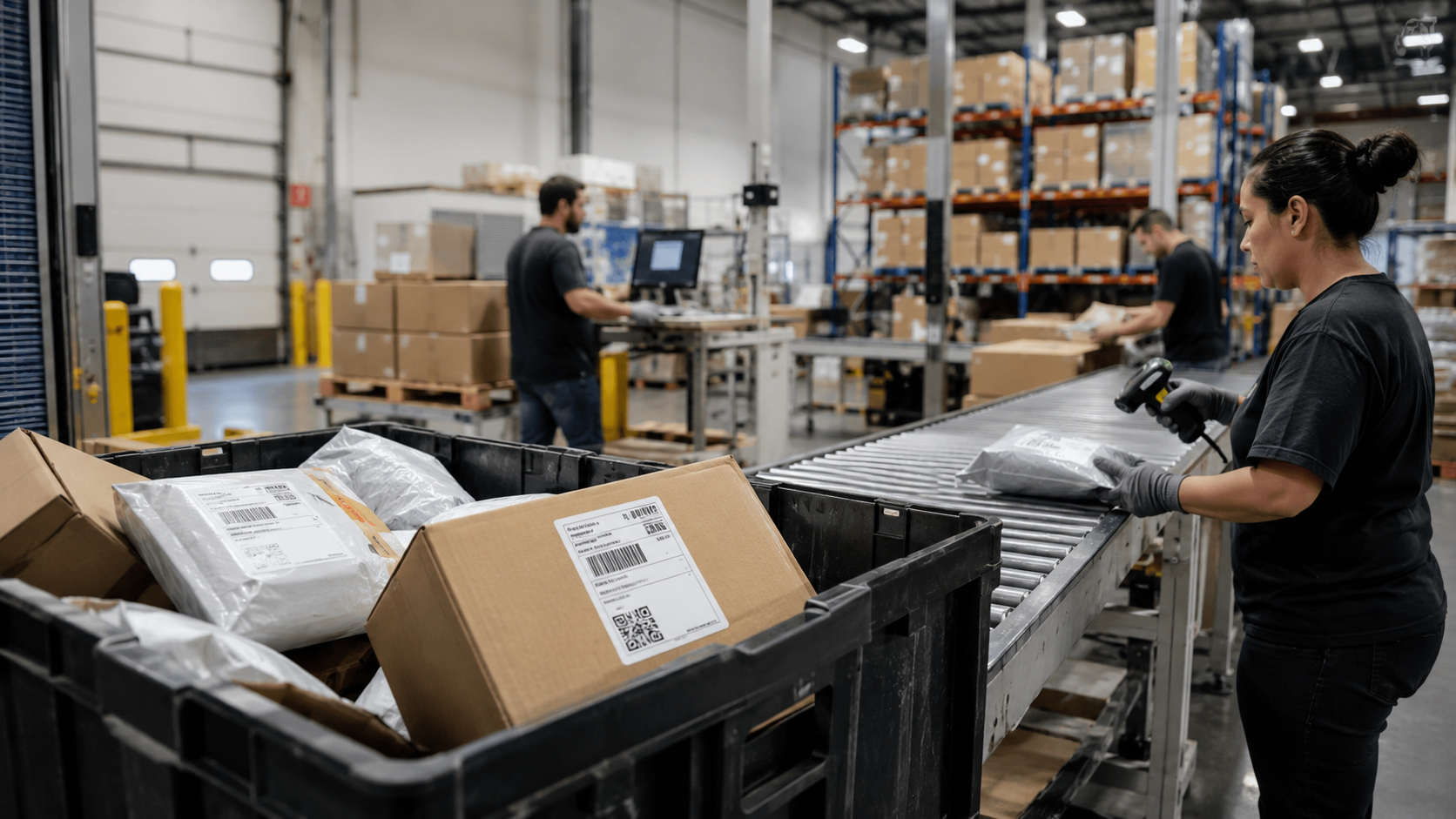
The return request is only the trigger. After that click, the retailer must make return routing decisions: how the item moves, where it goes, when the customer receives a refund or exchange, and what happens to the product once it arrives.
Return options such as prepaid labels, customer-printed labels and post-office label printing all change how inventory moves back into the network. The operational question is not just how the label is created, but how each return mode affects cost, speed and control.
Choosing the return mode changes the cost structure
Different return modes create different cost structures.
A prepaid return label is convenient and familiar, but it can increase merchant-paid transportation costs. A QR-code return can reduce friction for customers who do not have a printer.
A drop-off model can support consolidation and reduce pickup complexity. A pickup may be useful for bulky, high-value or business-critical returns, but it requires more coordination. A return to a physical location can speed up inspection when store infrastructure exists. An exchange instead of a refund can preserve revenue, but only if inventory, pricing and customer communication are connected.
The right return shipping mode depends on product value, size, distance, customer promise, seasonality and warehouse capacity. Merchants need to compare shipping options so return routing can be based on cost, speed and operational fit, not habit.
The real cost of a return is usually higher than the label
The return label is only the visible cost. The real cost can include shipping, warehouse receiving, inspection, restocking, repackaging, markdowns, lost resale value, customer-service labour and disposal.
A low-cost label does not always produce the lowest-cost return. A slower service may reduce freight spend but delay the item’s return to sellable inventory. That can be costly for seasonal products, high-demand SKUs or items that lose value quickly. Faster routing may be justified when the resale value is high enough to offset the extra transportation cost.
Effective ecommerce returns management therefore requires decisions based on total recovery economics, not only carrier price. Platforms like Lazr help by giving teams clearer visibility into shipping costs and service options before those costs erode the value of the return.
Without visibility, you can’t control reverse-logistics costs
Without end-to-end visibility, operations teams cannot compare return modes, carrier performance, cycle time or recovery outcomes.
Flexible label options and QR-code returns can reduce friction, but they only become operationally valuable when they connect to return data: reason codes, SKU, carrier, region, cost and final disposition.
Visibility helps teams answer practical questions. Which regions create the longest return cycle times? Which products are often returned but still restockable? Which return modes cost more than the value recovered? Which carriers perform best on reverse flows?
For returns, that transportation visibility can help merchants make better shipping decisions instead of treating every return as a one-off exception.
How consolidation reduces reverse-logistics costs
Treating every return as an isolated parcel creates fragmentation. Each return is rated, moved, tracked, received and reconciled separately. At scale, that means more manual work, less predictable warehouse intake and weaker cost control.
Consolidation helps reduce reverse fulfillment costs by grouping flows where possible. That can mean using drop-off points, regional return nodes, batch receiving or carrier strategies that support more predictable return movement. It can also mean routing similar products to the same facility, so inspection, repackaging and restocking are easier to plan.
The benefit is not only lower transportation costs. Consolidation can improve labour planning, reduce receiving surprises and help finance measure cost per return more accurately. For Canadian merchants shipping across provinces, this matters because distance, regional carrier coverage and service levels can materially change return economics.
Disposition decisions matter as much as refund speed
Fast refunds are important, but speed alone does not recover value. The retailer still needs to decide what happens to the product: restock, exchange, refurbish, liquidate or discard.
That decision should not happen by default at the end of the process. A high-value item in sellable condition may justify faster routing to inventory. A low-value item with high handling costs may need a different workflow. A seasonal product may need an urgent decision because every extra day in transit increases markdown risk.
Good disposition logic connects return reason, SKU, product value, condition, transportation cost and resale window. That is where reverse logistics becomes a margin-protection function.
How to reduce reverse-logistics costs without hurting customer experience
Reducing costs does not mean making returns confusing or punitive. It means matching the customer promise with operational reality.
Returns should be treated as part of the broader supply-chain strategy, not as a standalone service workflow. Reverse flows affect labour planning, transportation procurement, inventory availability and customer trust, which makes them an execution issue for Canadian retailers.
The best returns process is not necessarily the most generous or the strictest. It is the one that is clear for customers, measurable for operations and economically rational for the business.
Use policy, routing, and operations together
A return policy sets expectations, but it does not control cost by itself. Policy needs to connect with routing logic and warehouse operations.
Low-value products may need different return rules than high-value products. Bulky items may require special routing or pickup. Seasonal items may need faster processing to preserve resale value. Exchanges may be prioritized when they protect revenue better than refunds. Warehouse capacity should also influence where and when returns are received.
A single national policy may be easy to communicate, but it should not force every return into the same operational path. The better approach is to keep the customer-facing experience simple while using back-end rules to route returns based on cost, value and recoverability.
The best return process is the one you can measure
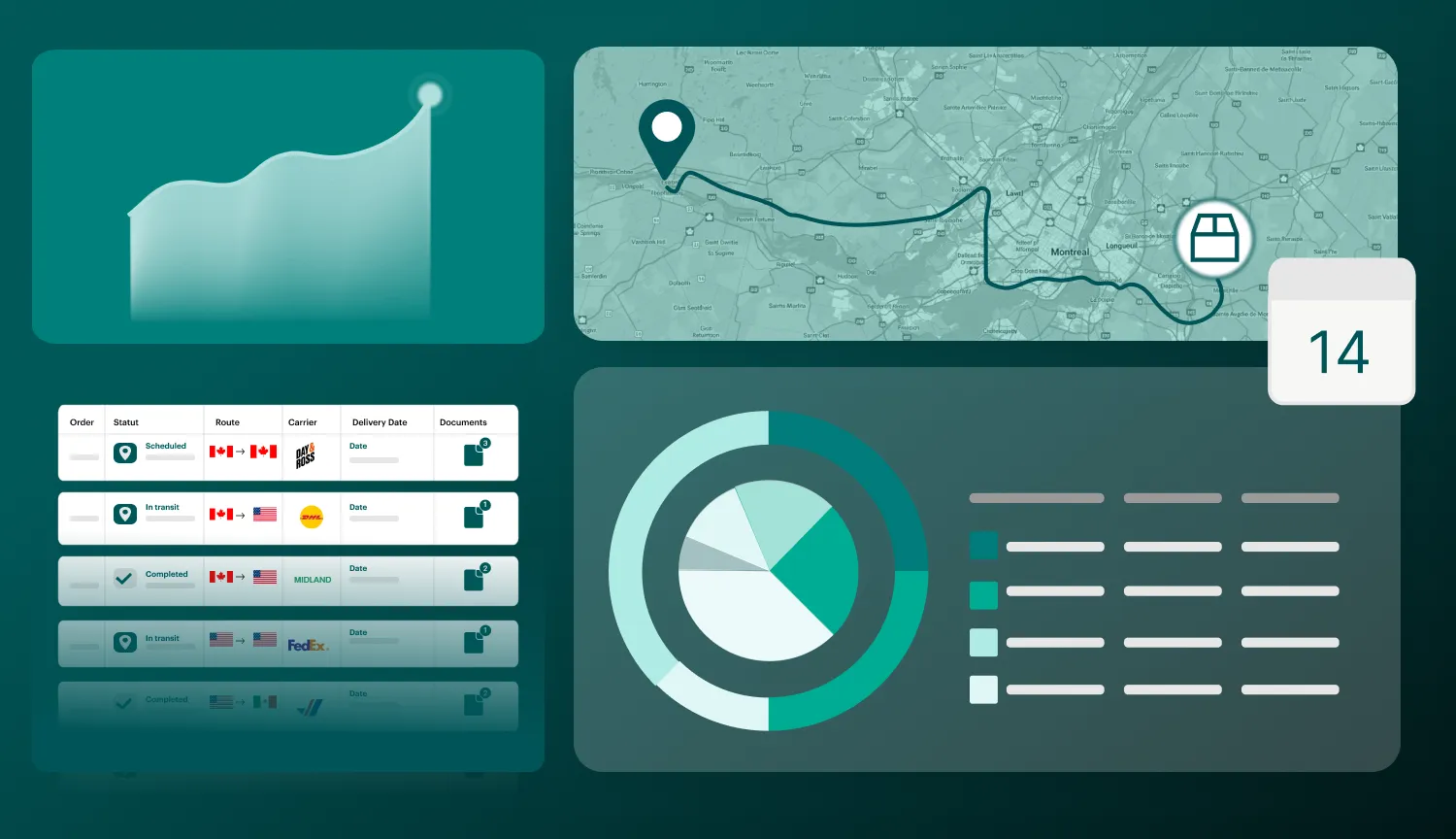
A strong process should track more than return volume. Useful KPIs include real cost per return, return cycle time, return shipping cost by mode and carrier, recovery rate, share of exchanges, share of restockable returns, refund-versus-exchange economics and visibility across return shipping flows.
These metrics help operations, warehouse, customer service and finance teams work from the same facts. They also show whether the returns process is protecting margin or simply moving costs from customer service into transportation and fulfilment.
Effective ecommerce returns management is not about making every return free, fast and invisible. It is about controlling the reverse-logistics flow after the customer clicks return, choosing the right return shipping mode and using platforms like Lazr to improve visibility, routing and cost control across the returns process.
FAQ
What is ecommerce returns management?
Ecommerce returns management is the end-to-end process of receiving, routing, inspecting, and recovering value from products that customers send back after purchase. It includes return authorization, carrier selection, warehouse processing, disposition decisions and reverse-logistics cost control.
How do you reduce the cost of ecommerce returns in Canada?
Reducing return costs requires selecting the right return mode for each shipment, improving end-to-end visibility, consolidating return flows where possible, and making fast disposition decisions. Using a multi-carrier platform like Lazr helps compare return shipping options and track cost by region, product and mode.
What is the difference between returns management and reverse logistics?
Returns management is the customer-facing and operational workflow triggered when a customer initiates a return. Reverse logistics is the broader transportation and supply-chain system that moves goods back through the network, from the customer to a warehouse, inspection facility or disposal point.
What metrics should I track for ecommerce returns?
Key return metrics include cost per return, return cycle time, return shipping cost by mode and carrier, recovery rate (restocked vs. liquidated vs. discarded), share of exchanges vs. refunds, and regional return volumes. These KPIs help operations and finance teams evaluate whether the returns process is protecting margin or creating hidden costs.